



.png)
Dubai is known for variety, but only a small number of dishes are consistently associated with the city. The scent of shawarma drifting out of a late-night street stall, trays of golden luqaimat arriving at a table nearby, a plate of machboos carried across a restaurant with quiet familiarity.
In a city where cuisines from everywhere have found a place, certain dishes appear again and again, ordered without much thought, recognised instantly by residents and visitors alike. Some began here, rooted in Emirati kitchens. Others arrived with the people who built their lives in the city and slowly became part of its everyday rhythm.
Over time, a handful of foods stopped feeling imported or traditional and simply became Dubai staples, the dishes you see across neighbourhood cafés, hotel restaurants, food courts, and late-night kitchens.
The dishes below are grouped by how they function in Dubai’s everyday eating rather than by cuisine or geography. Some remain closely associated with Emirati households and cultural occasions. Others became daily staples through widespread adoption. A third group arrived through migration and stayed because they adapted well to local dining patterns.
Each category reflects a different way food holds its place in the city: through tradition, habit, or practicality. Together, they form the backbone of what is most commonly recognised as famous food in Dubai.
Some foods in Dubai are not hard to find because they are hidden. They are hard to find because they are still cooked for family tables, not for passing appetites. These dishes appear most often during Ramadan, winter months, or large gatherings, and they tend to arrive without performance.
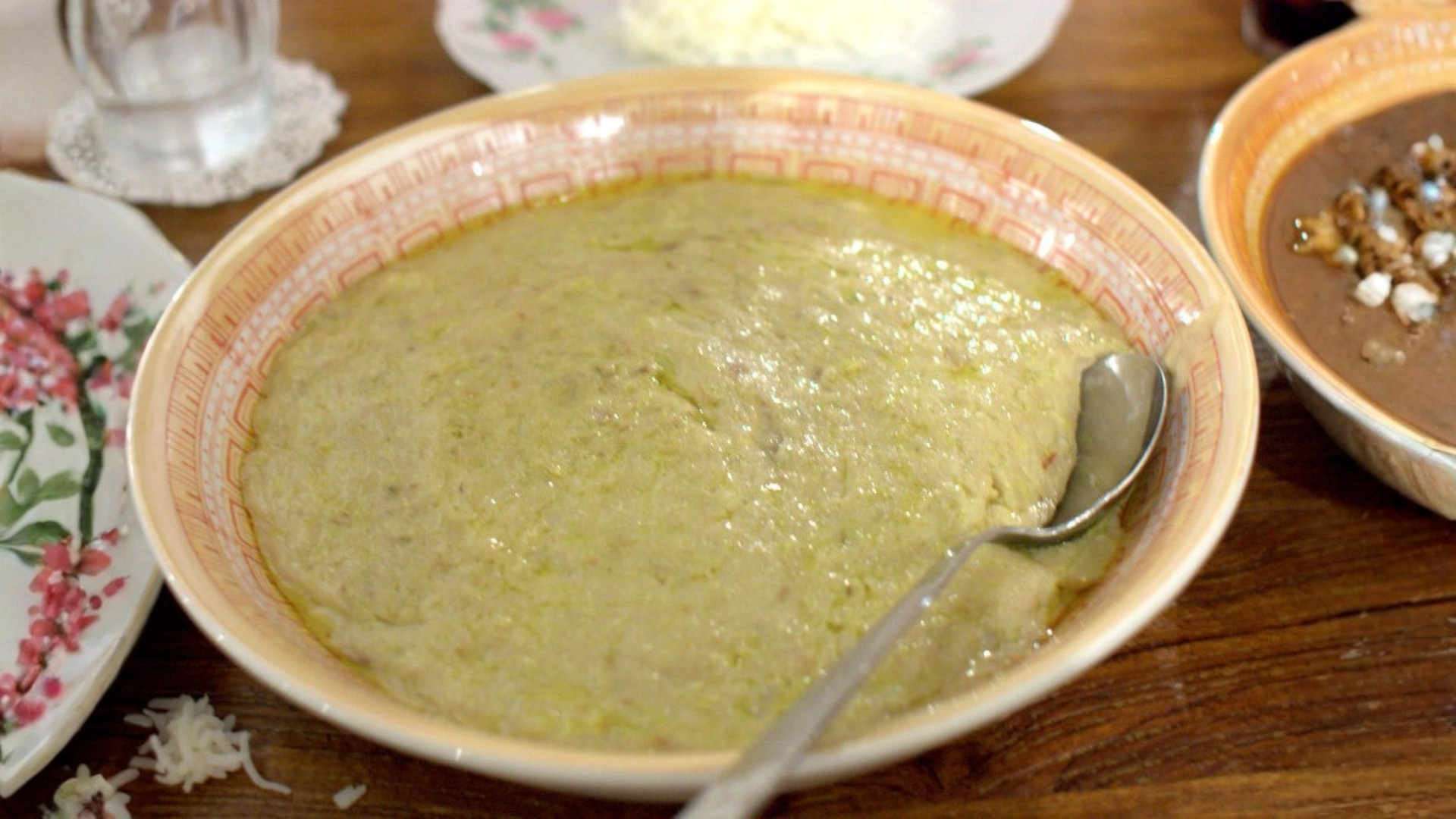
Harees is wheat and meat cooked together until the texture turns smooth and cohesive. It is served hot, plain, and without garnish. The flavour comes from time rather than seasoning. You notice it most during Ramadan, where it appears at iftar tables as something grounding rather than celebratory. When eaten properly, it fills without weight and leaves no aftertaste.

Machboos is rice layered with spiced meat or fish, cooked together so flavour moves through the grain rather than sitting on top. The rice should stay separate, the spices noticeable but controlled. This is everyday food for many Emirati households, often cooked in large pots and shared. It is less common in casual restaurants because it does not benefit from being rushed.
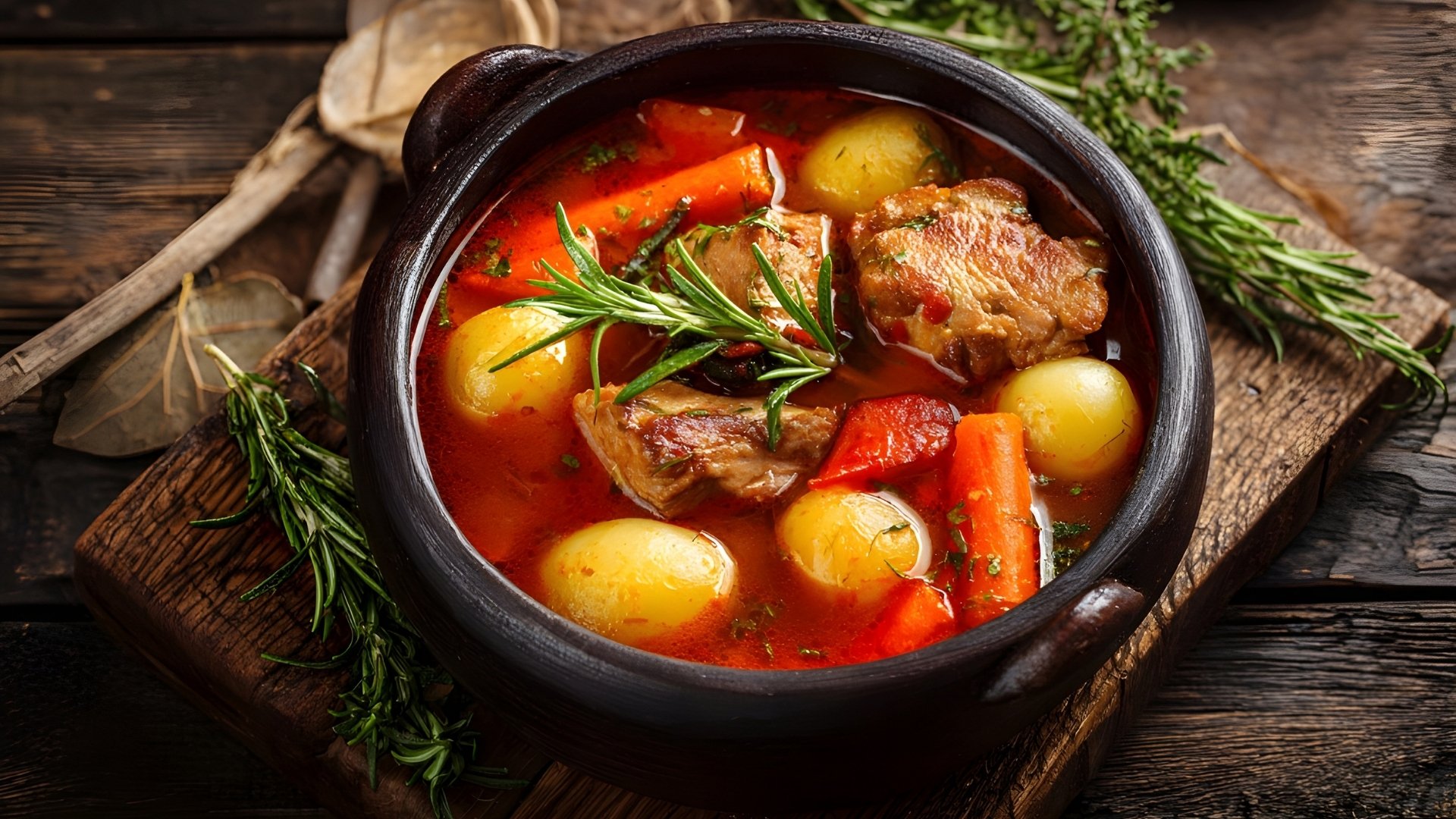
Thareed combines flatbread soaked in broth with slow-cooked meat and vegetables. It is eaten warm, usually by hand, and valued for how it brings texture and softness together. Bread absorbs flavour, meat breaks easily, and the dish disappears quickly once served. Thareed rarely appears outside traditional settings, but it remains one of the most recognised Emirati meals.
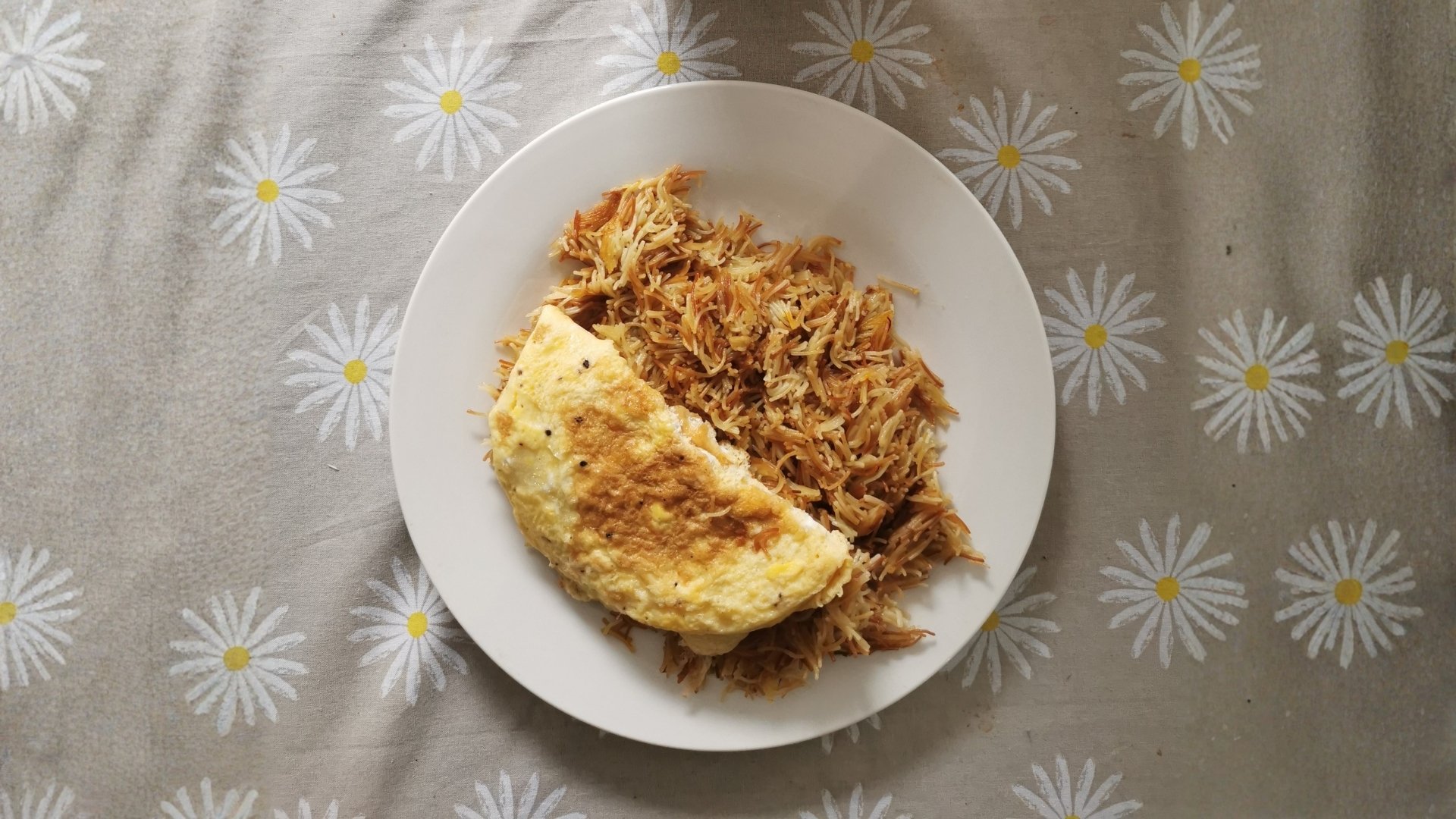
Balaleet is a breakfast dish made of sweet vermicelli topped with a thin egg omelette. It sounds unusual until you taste it. The sweetness is mild, the egg neutral, and the balance intentional. It is eaten in the morning or during Ramadan, often paired with tea. Balaleet suits early hours, when appetite is present but not demanding.
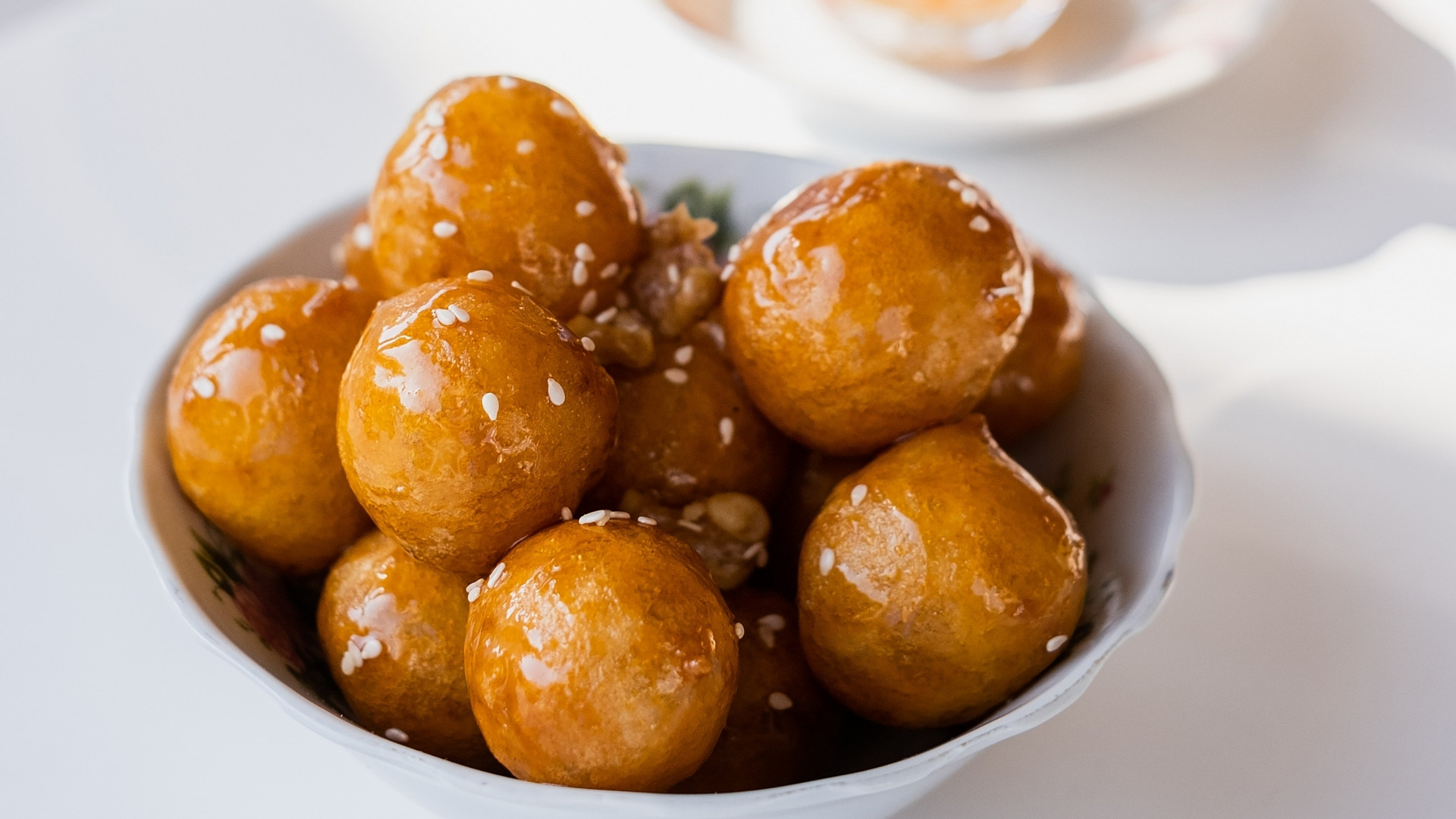
Luqaimat are small fried dough balls, crisp on the outside and soft inside, finished with date syrup. They are served warm and eaten immediately. You find them at gatherings, food stalls, and during Ramadan evenings. Their popularity comes from timing rather than indulgence. They arrive when people are ready for something sweet, not before.
These dishes anchor Dubai’s food culture quietly. They are not designed to impress visitors, but to feed people properly. Their presence explains why authenticity in Dubai often feels private rather than displayed.
Some dishes are not local by origin but are inseparable from daily life. They are eaten quickly, ordered without discussion, and trusted to arrive the same way each time. Their fame comes from frequency.

Shawarma is meat cooked slowly on a vertical spit, shaved as needed, and eaten immediately. It works because it is hot, filling, and requires no commitment. Good shawarma arrives warm, sliced fresh, and wrapped while steaming. It is eaten standing, in cars, or between plans. In Dubai, shawarma is not a treat. It is a habit.
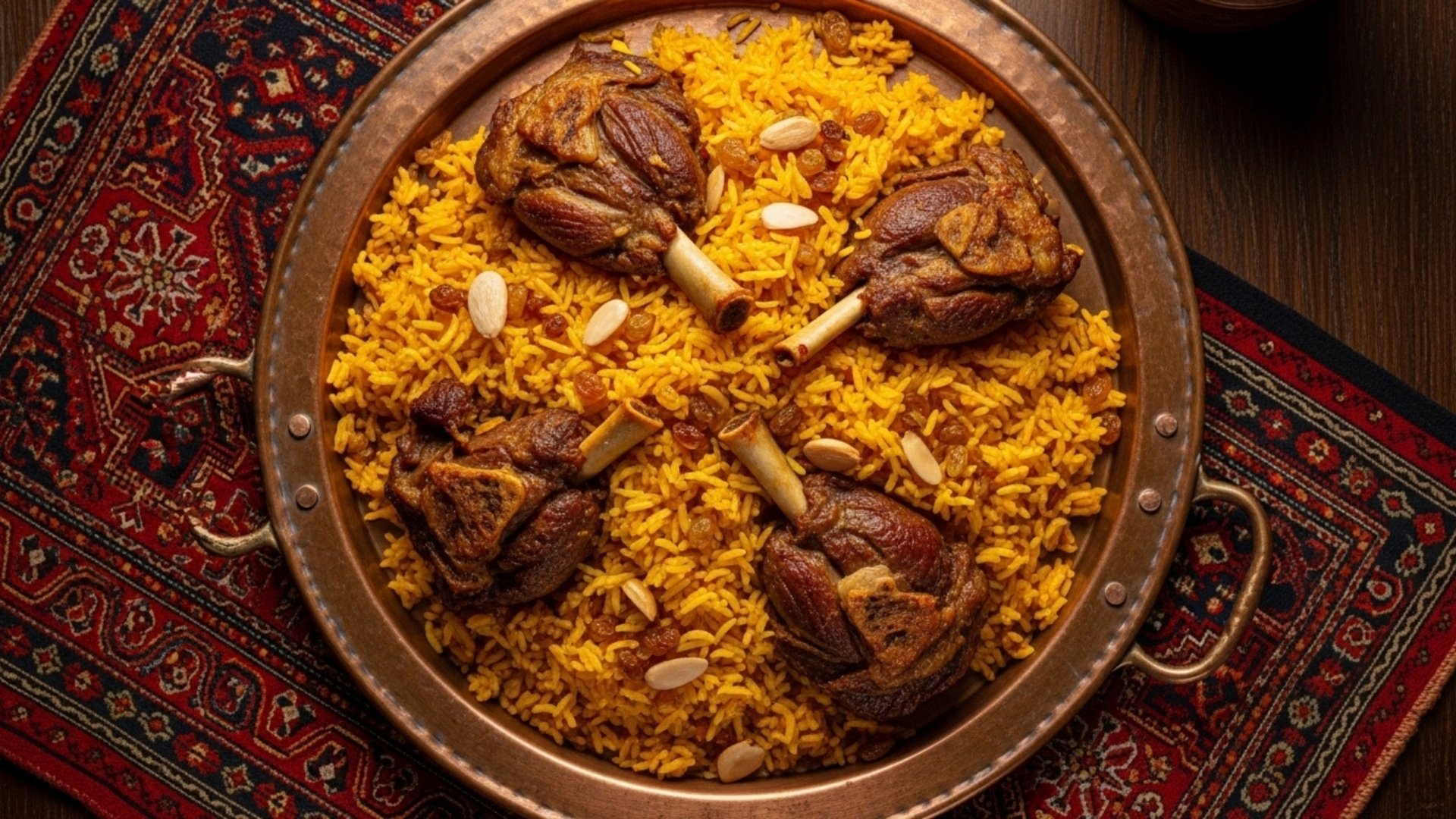
Mandi is rice and meat cooked together over low heat, often in sealed ovens. The meat softens from steam and smoke rather than flame, and the rice absorbs the juices as it cooks. It is served on large platters and meant to be shared. Mandi suits long meals where conversation stretches, and no one is in a hurry.
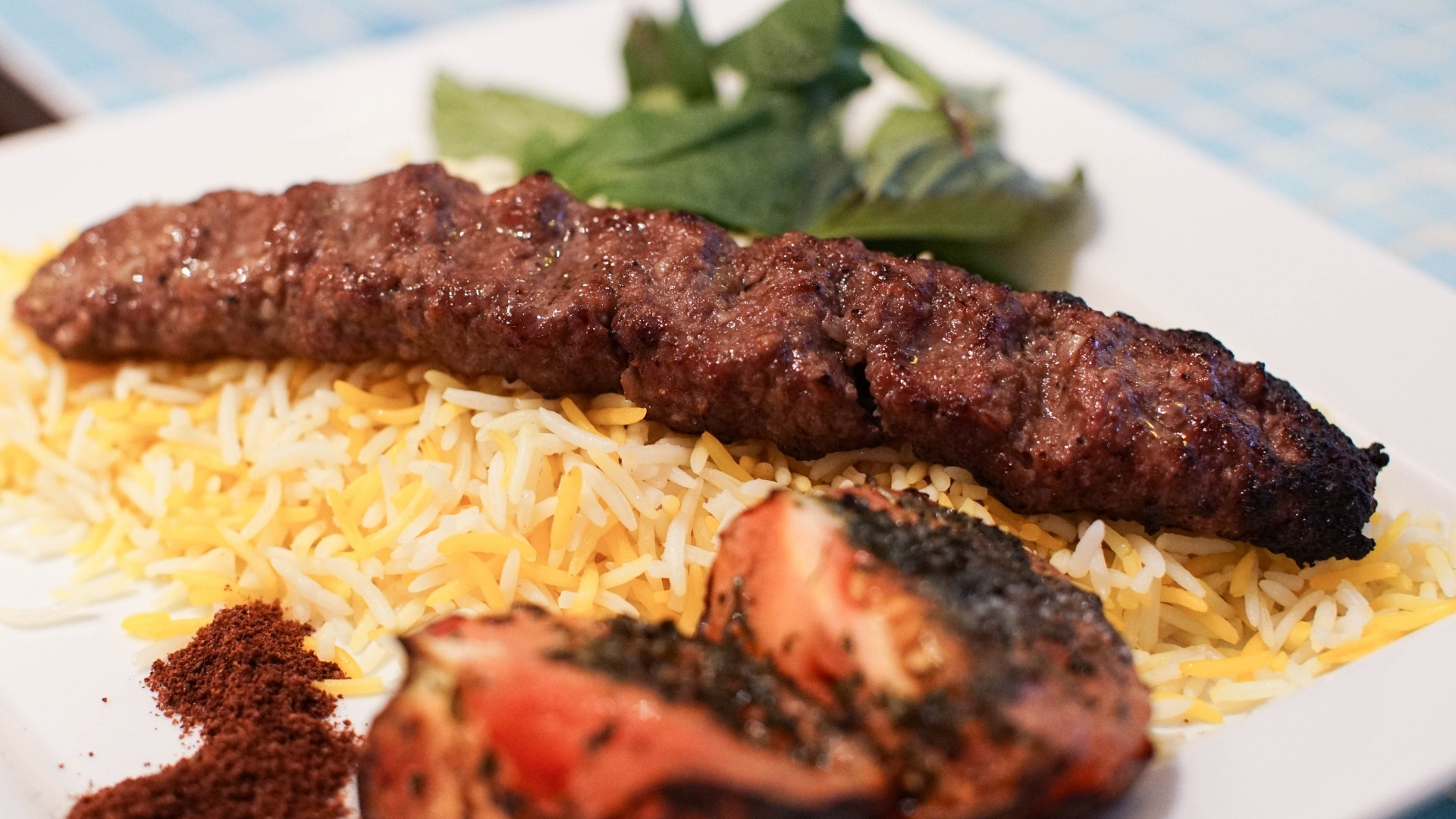
These kebabs are grilled flat over charcoal, seasoned lightly, and served with rice scented gently with saffron. The meat stays juicy, the rice warm and separate. Butter is served on the side, not mixed through. This dish appears frequently because it is consistent, filling, and easy to order for groups.
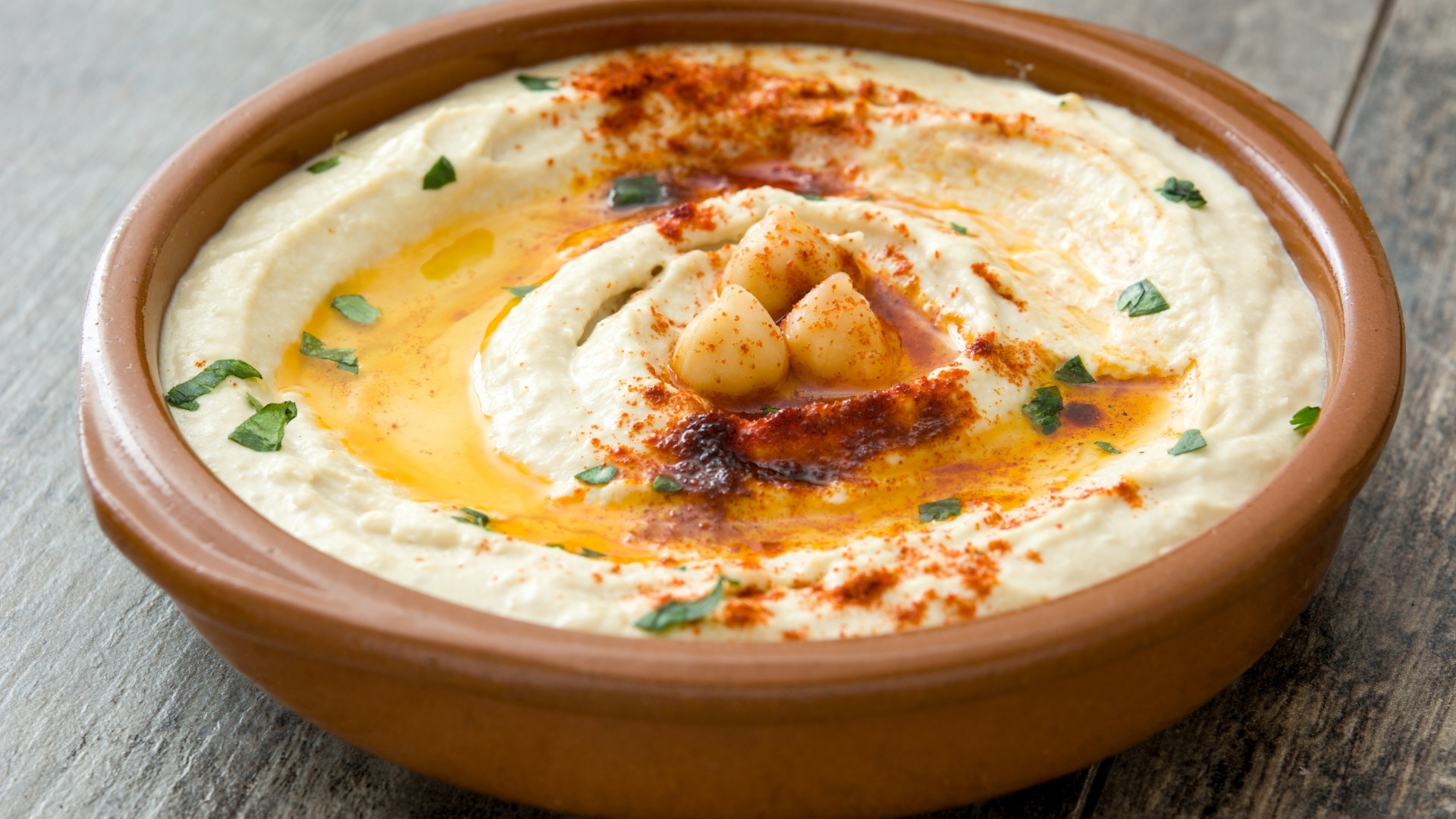
Hummus works best when it is fresh and warm, not cold from storage. Chickpeas blend smoothly, olive oil sits on top, and bread arrives hot enough to tear. In Dubai, hummus is rarely eaten alone. It starts meals, fills gaps, and disappears quickly when done right.
These foods dominate daily diets because they efficiently satisfy hunger. They are familiar without being dull and satisfying without ceremony.
Some foods arrive with people and stay because they solve everyday eating better than alternatives. In Dubai, these dishes appear across neighbourhoods, ordered by habit rather than curiosity. They are cooked the same way, served at the same temperature, and expected to taste identical each time.
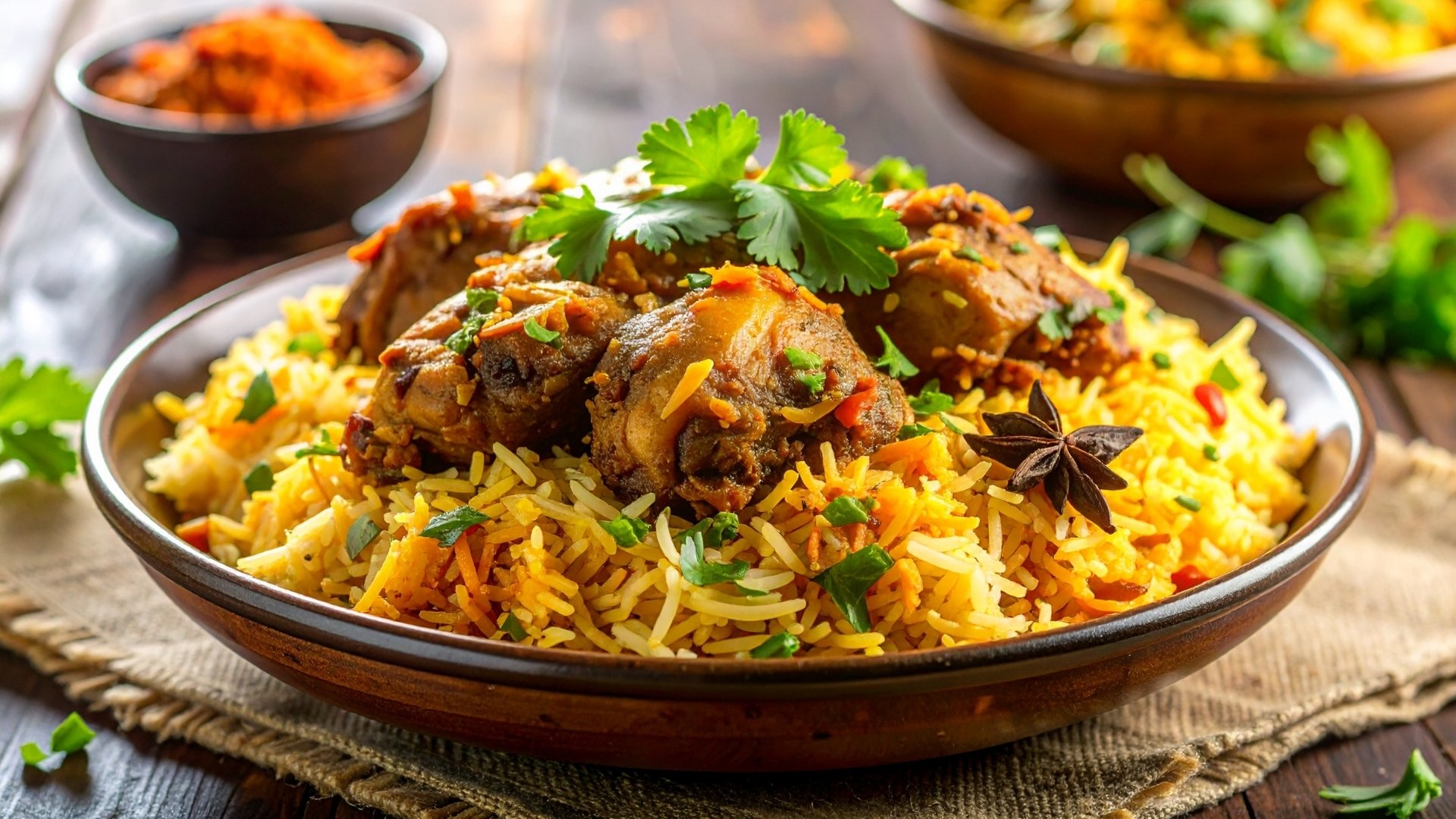
Biryani in Dubai is built around volume. Rice and marinated chicken are layered and cooked together in large batches, sealed so the steam finishes the dish. When done properly, the rice stays separate, the chicken cooks gently, and the spice remains present without oil pooling. It is eaten at lunch, late at night, and whenever a filling meal is needed without effort. Its popularity comes from reliability rather than occasion.
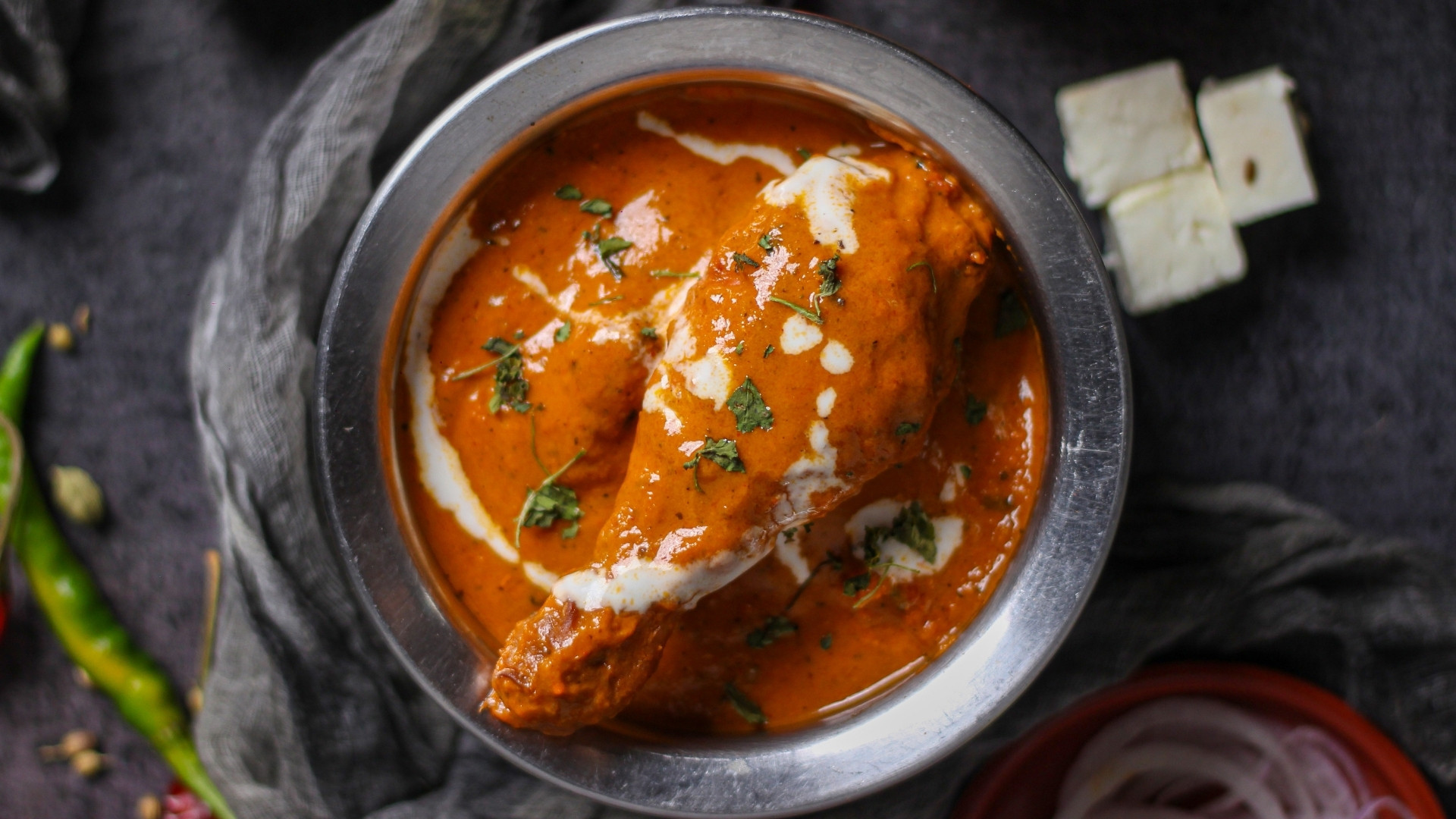
Butter chicken survives because it travels well from kitchen to table. The sauce is smooth, lightly spiced, and finished with butter rather than heat. The chicken is cooked first, then folded into the gravy so it stays tender. In Dubai, it is ordered by families, shared easily, and paired with naan or plain rice. It is comfort food that doesn’t demand explanation.
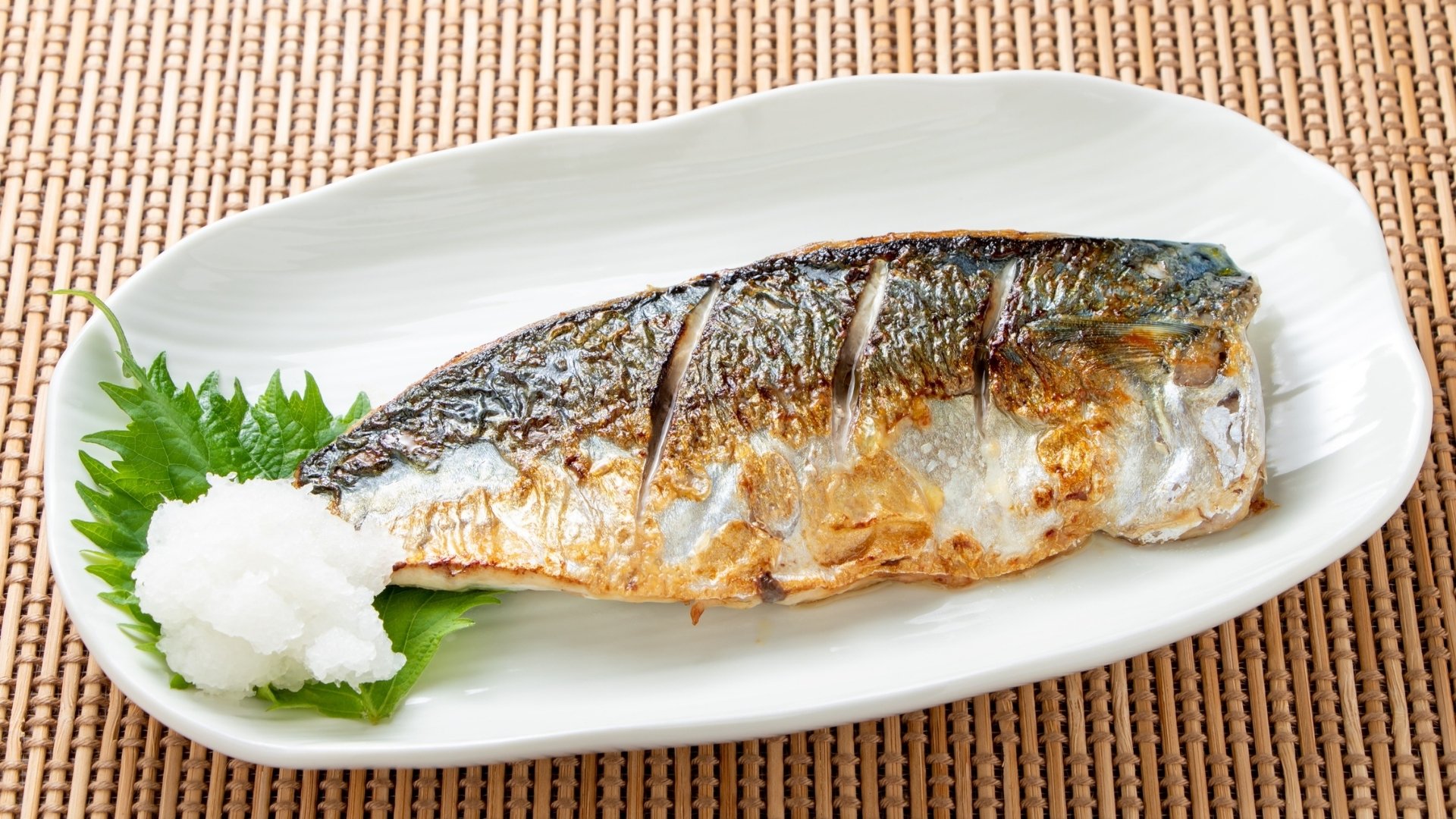
Hammour is a local reef fish chosen for grilling because it holds together over heat. When cooked simply, it stays moist inside and flakes cleanly. It is seasoned lightly, finished with lemon, and served hot. This dish persists because it suits Dubai’s climate and pace. It is filling without heaviness and familiar to residents and visitors alike.
These dishes became fixed because they adapted to the city’s rhythm. They are ordered without hesitation and rarely disappoint when cooked with care.
Also read:
When a day of eating crosses from familiar staples into dinner, food choices narrow from “what else” to “where all of them fit.” That’s the moment a restaurant like DOORS Dubai becomes relevant, not because it’s a trend, but because the menu is built to handle more than one appetite at once.
The kitchen, led by internationally acclaimed Chef Kemal Çeylan, centres on a freestyle grill concept; premium meats, seafood, crisp salads and composed plates that stand on their own yet work easily side-by-side. Wagyu cuts, grilled fish and lighter pastas sit next to composed vegetable plates, making it simple for groups with different preferences to share one table without conflict.
What distinguishes DOORS here are formats that support different dinner moods without forcing a choice between indulgence and restraint:
The setting reinforces this behaviour: waterfront terrace seating overlooking the Dubai Fountain, a mixology lab for elevated non-alcoholic drinks, and spaces framed to allow focus on the table without the bustle of the mall below.
In a city where food choices can be overwhelming, DOORS stands out not for a signature dish, but for how the table accommodates multiple dishes, cohorts, and cravings in a single sitting.
For evenings that tend to fill quickly, the table is often reserved in advance.
Most first-time visitors end up eating shawarma, kebabs with rice, or biryani within their first day. These dishes are widely available, quick to order, and don’t require familiarity with local menus or dining customs.
Not usually. Many Emirati dishes are still cooked mainly for family meals, Ramadan, or seasonal occasions. They’re more often found at specialised kitchens or cultural restaurants than at casual neighbourhood spots.
Rice-based dishes scale well, stay hot longer, and suit shared eating. In a city where food is often cooked in volume and eaten across long hours, these qualities matter more than presentation or novelty.
Following the dish usually leads to better results. Ordering shawarma, where meat is sliced fresh, or rice, where it’s cooked in large batches, tends to be more reliable than choosing restaurants by cuisine alone.
Yes. Many well-known foods in Dubai are eaten spontaneously and don’t require reservations. Planning matters more for where you consolidate meals later in the day than for trying individual dishes.
The easiest approach is to choose a restaurant that balances familiar techniques with regional influence, allowing dishes to arrive steadily rather than all at once. DOORS Dubai suits this well, offering grilled meats and seafood that reflect Dubai’s dining preferences without turning the meal into a tasting exercise.

Explore the best dessert places in Dubai! Indulge in sweet creations, from classic baklava to modern delights, with stunning views and unique experiences.


Explore the best brunch places in Dubai, offering luxurious settings, diverse flavours, and unforgettable dining experiences across the city's top venues.

Discover the best birthday brunches in Dubai, where luxury, live entertainment, and exquisite cuisine come together for an unforgettable celebration.

.svg)